tribute from pastor ademar olivera
He was tall, blond, and slim. His physical appearance and formality resembled that of a typical Englishman, but he was also an archetypal Uruguayan.
The most remarkable thing about him was his sensitivity and tenderness. He was not vociferously opinionated, but his pastoral vocation emerged in his gestures and attitudes towards others, always attentive and open to listening. He cared about people’s living conditions; he shared the pain of the poorest and most suffering; injustice hurt him.
He carried out an extensive itinerant pastorate in various congregations and social works of the Iglesia Metodista en el Uruguay (Methodist Church in Uruguay) including Sarandí Grande, Paso de los Toros, Durazno, Salto, San Pablo, and Teniente Rinaldi. He also spent several years in the 1980s serving the Methodist Church in England, returning to Uruguay in 1990.
He is much remembered especially for his work with groups of children, young people and families in need. He devoted a lot of time to the task of visitation, being a warm and sympathetic presence to people who were lonely, sick, or in need of comfort, whether they were active members of the Church or not. His main gift was compassion for the neglected and suffering.
To demonstrate these qualities, I want to share a crucial time in my own personal, family and community life, in which Diego played a providential role. As pastor I attended the churches of Trinidad (Flores Department) and Durazno. In June 1972, a military command detained me under Prompt Security Measures, leaving my family and both congregations helpless. Diego was a resident pastor in Sarandí Grande (Florida Department), and from there, he travelled weekly to Paso de los Toros to serve the community there. Upon learning of the situation, he accepted the Executive Council’s request to minister to my family and the Durazno congregation. It was a challenge that implied a lot of risk, since several members of the church had relatives in prison, who needed support and accompaniment. At that time the military regime was characterised by its repression and surveillance but Diego bravely assumed that responsibility, quietly offering pastoral support to sometimes very dramatic human situations. Of course, he was aware of the danger he ran daily. In fact, a short time later, he himself was arrested, investigated for his work with young people from his community, and tortured in the Florida barracks.
This is an example of Christian commitment, motivated by faith and love for the most helpless, without being intimidated by threats and dangers. That gesture has been forever ingrained in my memory, and is echoed in the gratitude of so many families in that place. Thank you Diego for a ministry demonstrating that surely the Lord was blessing him!
We are sure that the lives of both Diego and Ruth have not been in vain because they have passed through this world sowing love, faith and hope in abundance. These seeds will bear abundant fruit, in their surviving relatives, in their friends and loved ones, in the communities and people who received from them the best they could offer: a life of unreserved dedication, as a witness of faith in Christ that will last forever.
“Blessed are those who die united to the Lord. Yes, says the Spirit, they will rest from their labors, for their deeds will follow them.”
Revelation 14:1
tribute by marcelo bolioli
In the 90s my English uncle and aunt had become Easter uncle and aunt when from Birmingham they returned to the country to settle in Salto. Every year my family made at least one pilgrimage north in the old (coincidentally English) Hillman Minx car, a multi-stop adventure that took us all day. Salto became synonymous with hot springs, bicycle rides, a menu different from the one we were used to, and that typewriter sound, which resounded from the parsonage like shrapnel from his index fingers, when Diego prepared the sermons in his office.

Years later in Montevideo they also became a neigbourhood uncle and aunt. Sundays became a mass ritual of lunch in the garden with lemongrass tea and games organized by the passionate and competitive Ruth. Sometimes they were family days, other times a parade of various friends, exotic visitors, volunteers and whoever else decided to turn up!
In recent years Diego had been sharing his memories that included adventures in trams, bicycles, trains that raised rafts to cross the Negro River and washerwomen. But he also had, well kept in his mind, other kinds of stories.
Some afternoons, by tea, he opened his heart to the next generations around him. Tears fell as he remembered his second trip to England to ask for Ruth’s hand. His future mother-in-law did not react as she imagined. Being a stranger they had treated him like a son, bur this time, he came to steal his youngest daughter and take her to the ends of the world.
Tears also fell as he remembered his darkest moment. In October 1974, just over a year into the dictatorship in the city of Sarandí Grande, the young Methodist pastor was arrested along with the local Catholic pastor, the director of the hospital, and a group of young Catholics and Methodists. Diego was able to detail some of the physical torture to which he was subjected for 18 days. They tried to mentally torture him with threats and lies about abusing his wife. What they did not know is that Diego felt the reality of his hellish suffering, but also that God’s heavenly peace within him. Here is how he described it himself:
“One day a military authority came and after insulting me, he asked me when I was going to declare everything I know. I replied that I had already responded and had done nothing wrong.
I see that his attitude does not change, I will give him until next Tuesday, if he does not we will take him to an open pit and we will shoot him right there. That will be its end.
Don’t worry, I know my wife and children will be proud of me. I am not afraid, because I will be with God, can you say the same? The man turned around and never appeared again.”
If extreme situations define people, I think those anecdotes say a lot about their sensitivity and faith. He was also a great defender of minorities and compulsive collector of wealth measured in friendships. He always thought of others; he believed that life was a great wheel of favours. His empathy, curiosity and energetic step made him be in every possible activity an ideal match to his inseparable life partner.
Thinking of Diego is thinking of Ruth and vice versa, which is why since Ruth was diagnosed with leukaemia in October, difficult times began for both of them. Diego’s fall on the street in February (during Ruth’s last hospitalization) was literal and symbolic. He spent many days unconscious in Intensive Care, but managed to react when Ruth said goodbye to the hospital. He woke up lucid three days later, only to discover that he had been a widower for several hours. Slowly he recovered his memory and he even managed to follow by Zoom the tribute organized to Ruth by her family in England a month after her death. He asked to speak and spoke clearly in both Spanish and English, about the blessings of his life, offered a blessing to friends and family present and was finally able to mourn.
About his last days his nephew Federico remembers:
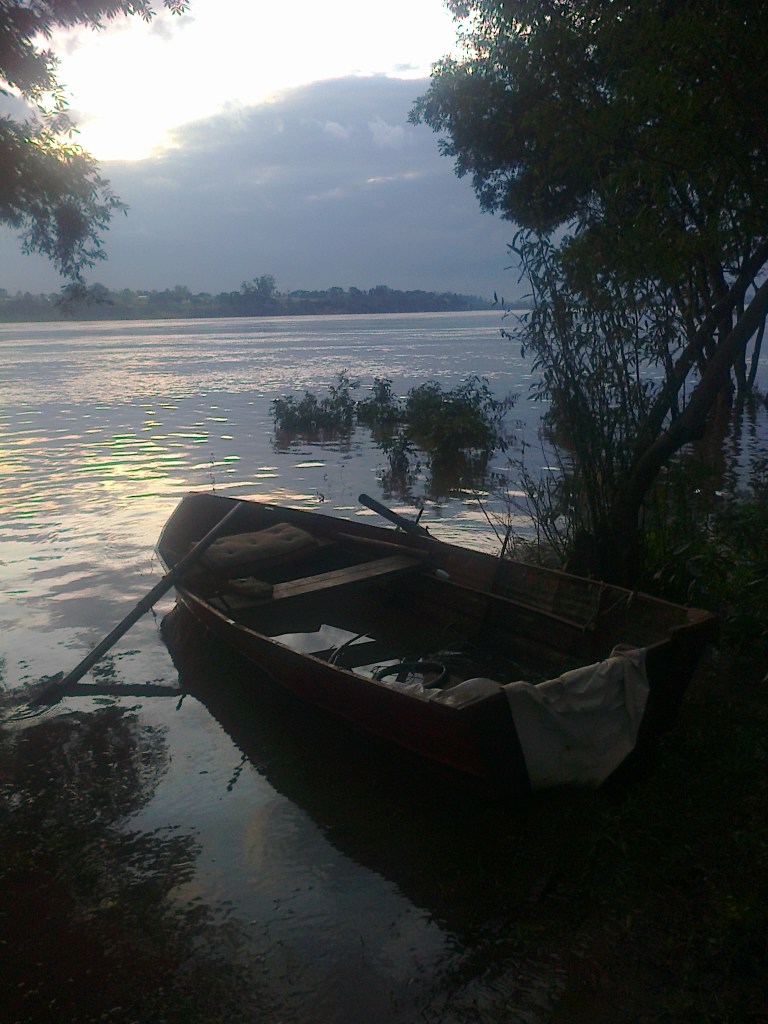
On the first night of his return from the hospital, Diego woke up at dawn, asking for the light to be turned on. When I got to his room nervous to see what was happening, he asked me worriedly, “What time does the boat leave?” What seemed like a daydreaming delusion now makes sense.
The ship symbolizes his journey towards meeting Ruth… by boat it was his first trip to England, where they met. A second ship led him to ask Mr. Watson for the hand of his youngest daughter. And it was a third ship that brought Ruth definitively closer to her life, in Uruguay, to unite them forever.
What time does my boat leave? Where are my shoes ?
Sorry Diego, at that moment I didn’t know the answer and I simply said: “It’s 5 am, it’s not yet time for the boat to leave.” I went back to sleep.
Today, I come to find out that your ship sailed from Montevideo on Saturday, April 17, at 10:10 p.m. I hope you have found your shoes to travel more comfortably. I do not know if the meeting with Ruth will be immediate, or if this ship takes a few days to arrive, but Ruth will be on the other side, waiting for you. When you arrive, she will receive you, saying, “Oh Diego, I did not expect you to come SO SOON.”
 Living in the Moments